Nigeria Unveils $78.5bn Investment Pipeline, Pushes for Job-Creating Growth at IMF/World Bank Meetings
Nigeria has presented an investment pipeline worth approximately $78.5 billion and called for a fairer global financial system to accelerate economic growth and create jobs.
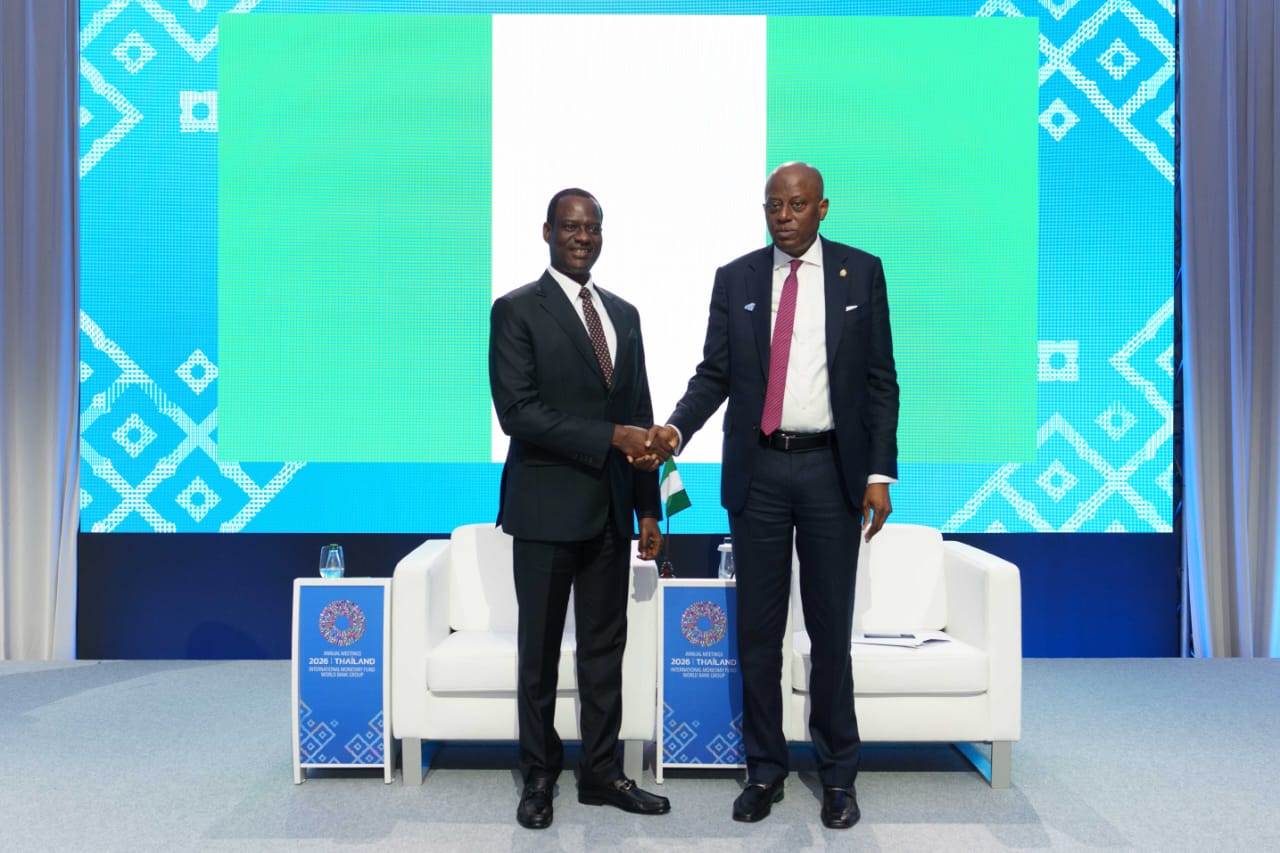
The country made the call at the 2026 Annual Meetings of the International Monetary Fund (IMF) and World Bank Group in Bangkok, Thailand, which concluded on October 17, 2026.
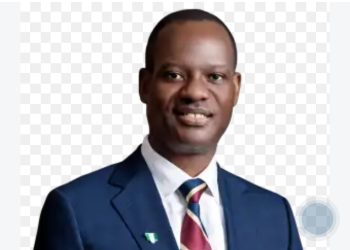
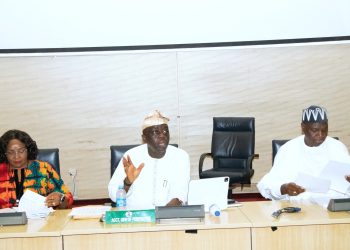
The Nigerian delegation was led by the Minister of Finance and Coordinating Minister of the Economy, Taiwo Oyedele, and the Governor of the Central Bank of Nigeria, Olayemi Cardoso.
According to a statement from the Federal Ministry of Finance, Nigeria highlighted key economic indicators reflecting the outcomes of its ongoing reforms, including economic growth of approximately 4.4 per cent in the second quarter of 2026.
The country also reported four consecutive months of declining inflation, foreign reserves exceeding $55 billion, a tax-to-GDP ratio of 12.5 per cent and public debt equivalent to 36 per cent of GDP.
A major outcome of the meetings was the launch of Projects Nigeria, an initiative featuring 65 bankable projects valued at approximately $78.5 billion.
The projects have attracted expressions of interest from investors in Asia and Europe, offering opportunities to mobilise investment for infrastructure development and economic expansion.
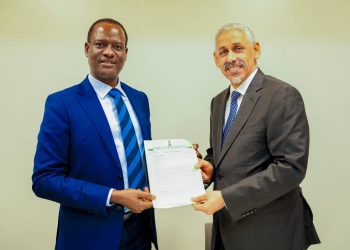
Nigeria also secured continued World Bank Group support for power and infrastructure development through guarantee instruments, alongside ongoing technical assistance from the IMF on fiscal governance, transparency and statistics.
The country further strengthened its development partnerships through commitments from the Japan International Cooperation Agency (JICA), the United States Treasury and the European Union to deepen cooperation.
The meetings also marked the conclusion of Nigeria’s chairmanship of the Group of 24 (G-24), during which the country advanced calls for a quota-based IMF system, fairer credit ratings and more affordable financing for developing economies.
Speaking at the meetings, Oyedele warned that artificial intelligence could generate economic growth without creating sufficient employment opportunities.
He noted that approximately 1.2 billion young people would enter the global labour market over the next 10 to 15 years, while the World Bank estimates that only about 400 million jobs would be available.
The minister called on the Bretton Woods institutions to place job creation at the centre of their assessment of economic performance.
“Stability was the first test. Growth that employs our people is the second,” Oyedele said.
He also reaffirmed the Federal Government’s commitment to maintaining its economic reform direction, ruling out a return to fuel subsidies and multiple exchange rates.
Nigeria’s participation in the meetings focused on attracting investment, strengthening international partnerships and ensuring that economic stability translates into employment opportunities and improved living standards.