NNPC Petrol Discount Is Not Fuel Subsidy, No Public Funds Involved — Oyedele
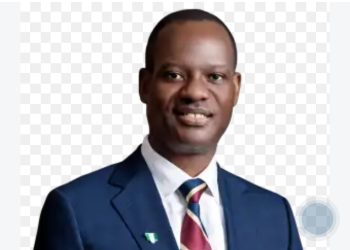
The Minister of Finance and Coordinating Minister of the Economy, Taiwo Oyedele, has clarified that the recent petrol discount at Nigerian National Petroleum Company (NNPC) Retail Limited filling stations is not a return of fuel subsidy.
Oyedele said the discount was a commercial decision by NNPC Retail to reduce its profit margin temporarily and pass the savings on to consumers without using public funds.
In a press release issued by the Federal Ministry of Finance on Friday, October 9, 2026, the minister explained that motorists had been paying less for petrol at NNPC Retail stations since October 1, following a reduction in the company’s retail margin.
He noted that although some commentators had described the move as a return of fuel subsidy, the two arrangements were fundamentally different.
According to him, a retail margin discount occurs when a company reduces its profit margin to offer customers lower prices, while a subsidy involves the government using public revenue to cover part of the cost of fuel.
Oyedele stressed that the discount was not funded by the federal budget or the Federation Account.
He explained that NNPC Retail purchases petrol from the Dangote Refinery and other suppliers at market prices before adding its retail margin to determine pump prices.
The minister said the discount was being absorbed entirely by the company’s retail margin, adding that the arrangement remained consistent with market-based pricing.
He also explained that NNPC Retail, a wholly owned subsidiary of NNPC Limited, was established to ensure the availability and distribution of petroleum products nationwide while helping to moderate retail prices.
Oyedele argued that the discount could strengthen the company’s business and improve its profitability over time.
According to him, selling more litres of petrol at a reduced margin could compensate for the lower earnings per litre, while the discount could also attract and retain more customers.
He added that the strategy could ultimately increase the company’s profits and the dividends it pays to the Federation.
On concerns that the discount could encourage fuel smuggling into neighbouring countries, the minister said the retail margin accounted for less than five per cent of the pump price.
He maintained that reducing the margin would not significantly widen the price difference between Nigeria and neighbouring countries, where petrol, according to the ministry, costs between 20 and 40 per cent more.
Oyedele acknowledged that fuel prices continued to put pressure on households and businesses but said the government was pursuing other measures to ease the burden.
These include expanding compressed natural gas (CNG) transport, waiving taxes and duties on petrol, and removing illegal levies that increase transportation costs.
He maintained that the measures were designed to provide relief to Nigerians without returning the country to the fuel subsidy system discontinued in 2023.