FG Moves to Restore Motorability on Bida–Lapai–Lambata, Maje–Dikko Corridors
The Federal Government has intensified efforts to restore full motorability on the Bida–Lapai–Lambata and Maje–Dikko road corridors in Niger State, directing contractors to accelerate remedial, palliative and permanent construction works.
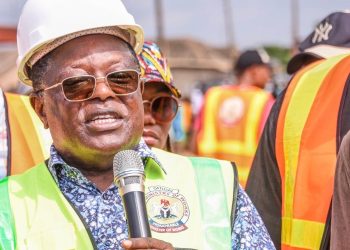
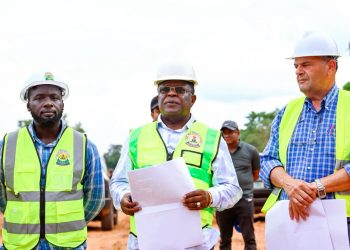
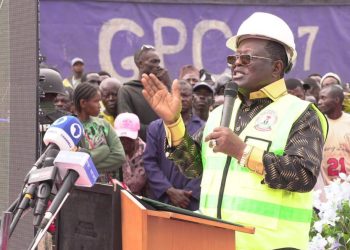
The Minister of State for Works, Rt. Hon. Bello Muhammad Goronyo, gave the directive on Thursday, September 24, 2026, during an inspection of critical sections of the road corridors as part of the Federal Ministry of Works’ ongoing nationwide monitoring of inherited and strategic road projects.
At the Bida–Lapai–Lambata corridor, Goronyo sympathised with motorists, particularly articulated-vehicle operators, over the prolonged delays and difficult travelling conditions experienced on the route.
He described the approximately 123.4-kilometre corridor as a major economic artery connecting communities in Niger State and facilitating the movement of agricultural produce, goods and people.
The Minister explained that the project was inherited by the present administration and is being financed under the Presidential/NNPC Tax Credit arrangement.
According to him, the heavy volume of articulated vehicles along the corridor informed the decision to adopt continuously reinforced concrete pavement to enhance the durability and service life of the road.
Goronyo said the Federal Government was concerned about the current condition of the road and would ensure the immediate mobilisation of the contractor for palliative intervention while permanent reconstruction progresses.
“We deeply sympathise with the drivers and other road users. This is a very important economic corridor, and we cannot allow it to fail completely. We are going to push the contractor to mobilise early and undertake palliative works to provide relief to motorists while we await the full reconstruction of the road,” he said.
The Minister stressed that the administration inherited several road projects across the country but had continued to address them rather than abandon ongoing works.
At the Maje–Dikko section, Goronyo expressed satisfaction with the improvement recorded following an earlier Federal Government directive for urgent intervention.
He, however, ordered the contractor to increase its efforts, mobilise additional equipment and materials and sustain round-the-clock operations at critical sections.
The Minister recalled that the Ministry had issued a 48-hour directive to restore passability on affected portions of the road and commended the contractor for the progress achieved.
“The progress of the work so far is impressive, and we are satisfied with what you have been doing over the last few days. But you need to double your efforts, mobilise more materials and equipment, and concentrate on the difficult sections. Nigerians deserve better roads, and we have no excuse,” Goronyo said.
He directed that work should be sustained, particularly at locations where drainage and erosion problems continue to affect traffic movement.
The Managing Director of Trunkroad Consortium Nigeria Limited, Mr. Isaac Abeka, said the company had responded to the 48-hour directive by deploying additional personnel, materials and equipment to the affected areas.
He said the intervention had significantly reduced the gridlock, with traffic now moving from the affected sections towards Lambata and Dikko.
Abeka explained that failed portions were backfilled with stones, rocks and boulders, followed by the application and grading of stone-base materials to improve the riding surface.
He added that drainage channels had also been opened to improve water flow away from the roadway, while more equipment had been deployed to difficult sections.
However, inspecting the Maje–Jazu Section II being handled by CCECC Nigeria Limited, Goronyo expressed concern over the slow pace of construction and directed the contractor to substantially increase its mobilisation and productivity.
He disclosed that more than ₦10 billion had already been released to the contractor as mobilisation out of the approximately ₦90 billion project value.
According to him, physical progress of about one per cent was not commensurate with the funds released or the project schedule, which indicated that nearly 16 per cent completion should have been achieved at the current stage.
“The amount so far released to you as mobilisation is over ₦10 billion. Yet, the progress of work on site is not commensurate with the amount that has been advanced to you. The percentage of work completed is not even up to one per cent, whereas, according to the project schedule, you are expected to have achieved almost 16 per cent at this stage. Honestly, we are not satisfied with the progress of work,” he said.
Goronyo said the Minister of Works, Engr. David Umahi, CON, had been briefed on the situation and had directed that the contractor be made to understand that the pace of work was unacceptable.
The project covers approximately 71.9 kilometres and includes the construction of about 11 culverts and 11 bridges.
Although the contractor reported that five or six structures had been completed, the Minister said overall physical progress remained around one per cent.
He consequently ordered the immediate deployment of more machinery, equipment, materials and manpower to accelerate construction.
The contractor attributed part of the delay to prolonged traffic congestion caused by articulated vehicles between June and August, saying the situation affected the movement of equipment and materials and disrupted construction activities.
The company, however, said that following the clearance of the traffic, it immediately redeployed machines, technical personnel and labourers to the site.
It assured the Ministry that it had the capacity and resources to execute the project and indicated that it expected to complete about nine to 10 kilometres of the road by March 2027.
Goronyo, however, said the proposed nine-to-10-kilometre completion by March would not amount to sufficient progress given the overall length of the 71.9-kilometre project.
“You have told us that the gridlock caused by articulated vehicles between June and August affected your operations. But this contract was awarded in February. What were you doing from February to June? That explanation is not acceptable,” he said.
Meanwhile, the Director of Construction and Rehabilitation, Engr. David Yiltong Dechi, said the contractor handling the permanent rehabilitation and reconstruction of the Lambata–Lapai corridor had indicated its readiness to mobilise to site.
He noted, however, that extensive earthworks during the rainy season could temporarily worsen some sections, recommending immediate palliative works involving boulders, stone-base materials, graders and bulldozers to maintain motorability until conditions become favourable for permanent reconstruction.
The Senior Special Assistant to the President on Transportation, Prince Adetokunbo Ademola, commended the Federal Ministry of Works and other stakeholders for physically monitoring the corridor and implementing the President’s directive.
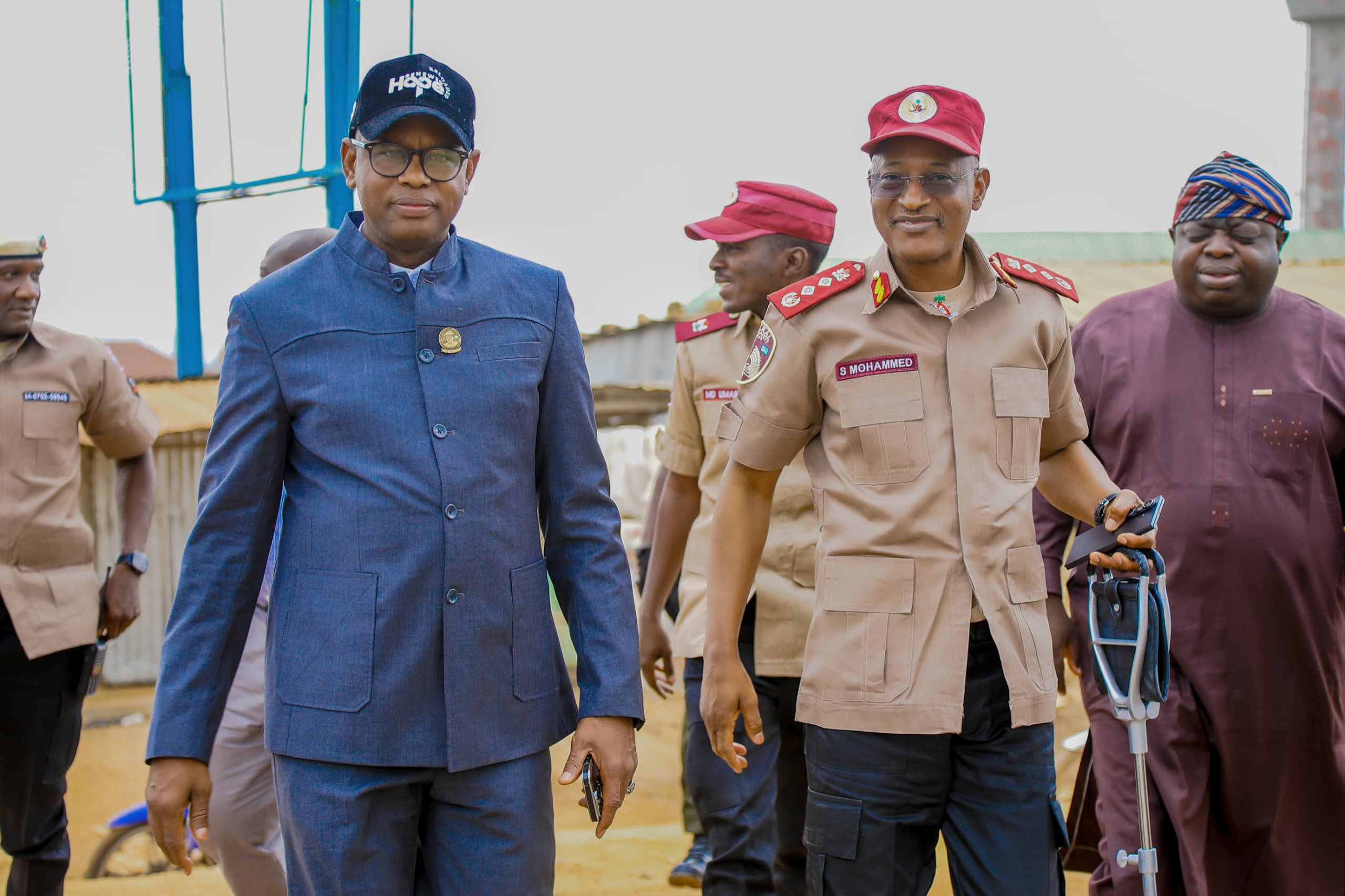
Similarly, the Corps Marshal of the Federal Road Safety Corps, Mallam Shehu Mohammed, sympathised with motorists over the difficult road conditions and urged truck owners and drivers to avoid overloading.
He noted that excessive loading had implications for road safety, vehicles and pavement durability, while assuring road users of continued traffic control and safety support by the FRSC.
The Director of Civil Engineering Services, Niger State, Engr. Andrew Adamu, also commended the Federal Government’s intervention and supported the deployment of palliative materials, including hardcore, boulders, chippings and stone-base materials during the rainy season.
The President of the National Association of Road Transport Owners, NARTO, Alhaji Yusuf Lawal Othman, expressed optimism over the intervention and appealed to motorists and transport operators to remain patient while remedial and reconstruction works continue.
The Federal Ministry of Works reiterated its commitment to continuous monitoring of the two corridors and ensuring that contractors sustain the pace of work until critical sections are safely and effectively motorable.
The Ministry also appealed to motorists to cooperate with traffic-management agencies and comply with applicable vehicle loading limits while the intervention works continue.