₦8.68bn CCTV Contract: El-Rufai, Six Others to Face Trial December 8

The trial of former Kaduna State Governor, Nasir Ahmad El-Rufai, and six others over an alleged ₦8.68 billion CCTV surveillance contract has been adjourned to December 8, 2026, by the Federal High Court in Kaduna.
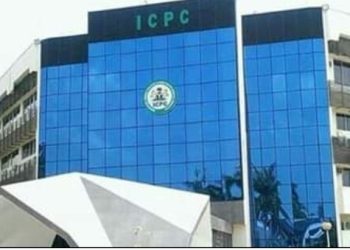
The Independent Corrupt Practices and Other Related Offences Commission (ICPC) disclosed this in a press statement dated Thursday, October 15, 2026.
The case was heard by Justice Hauwa’u Buhari of the Federal High Court, Kaduna Judicial Division, following changes in the legal teams representing the prosecution and El-Rufai.
The new prosecution counsel, Ibrahim Muktar, told the court of his appointment and sought an adjournment to study the case file, review earlier proceedings and familiarise himself with the issues involved.
El-Rufai’s new counsel, Mustapha Abubakar, SAN, also requested more time to prepare for the case after taking over the defence from the former legal representative.
The judge granted the requests and fixed December 8 for the substantive trial to proceed.
In a related development, the court adjourned until October 16, 2026, for ruling on the bail application of Jimi Adebisi Lawal, the second defendant and a former Senior Special Adviser and Counsellor to El-Rufai.
The ICPC had arraigned El-Rufai, Lawal and five corporate entities on June 25, 2026, on an amended 11-count charge involving alleged corruption, money laundering and related offences.
The charge, registered as FHC/KD/93C/2026, concerns a CCTV surveillance contract for Kaduna Metropolis valued at approximately ₦8.68 billion.
The companies listed as defendants are Singularity Network Security Limited, Solar Life Nigeria Limited, Knowledge Investment Nigeria Limited, Intercellular Nigeria Limited and Noble Coast Resources Limited.
The commission alleged that the contract was awarded in breach of applicable public procurement requirements and involved a company that did not possess the requisite experience and qualifications.
However, the defendants have denied the allegations.
The ICPC maintained that the matter would be pursued in accordance with the law and due process, while respecting the constitutional rights of all parties.